Goldfish
Often won as carnival prizes or kept in small bowls, the Goldfish is perhaps the most misunderstood pet in the world. Far from being a short-lived “throwaway” pet, a properly cared-for Goldfish is an intelligent, personable, and long-lived companion that can grow to impressive sizes.
Origins and Natural History
Goldfish (Carassius auratus) were the very first fish to be kept as pets. They were domesticated in ancient China over 1,000 years ago from the Prussian Carp. Originally kept in ornamental ponds by royalty, they were later bred into the many fancy varieties we see today. Unlike tropical fish, they are cold-water fish and do not require a heater in most indoor environments.
Appearance
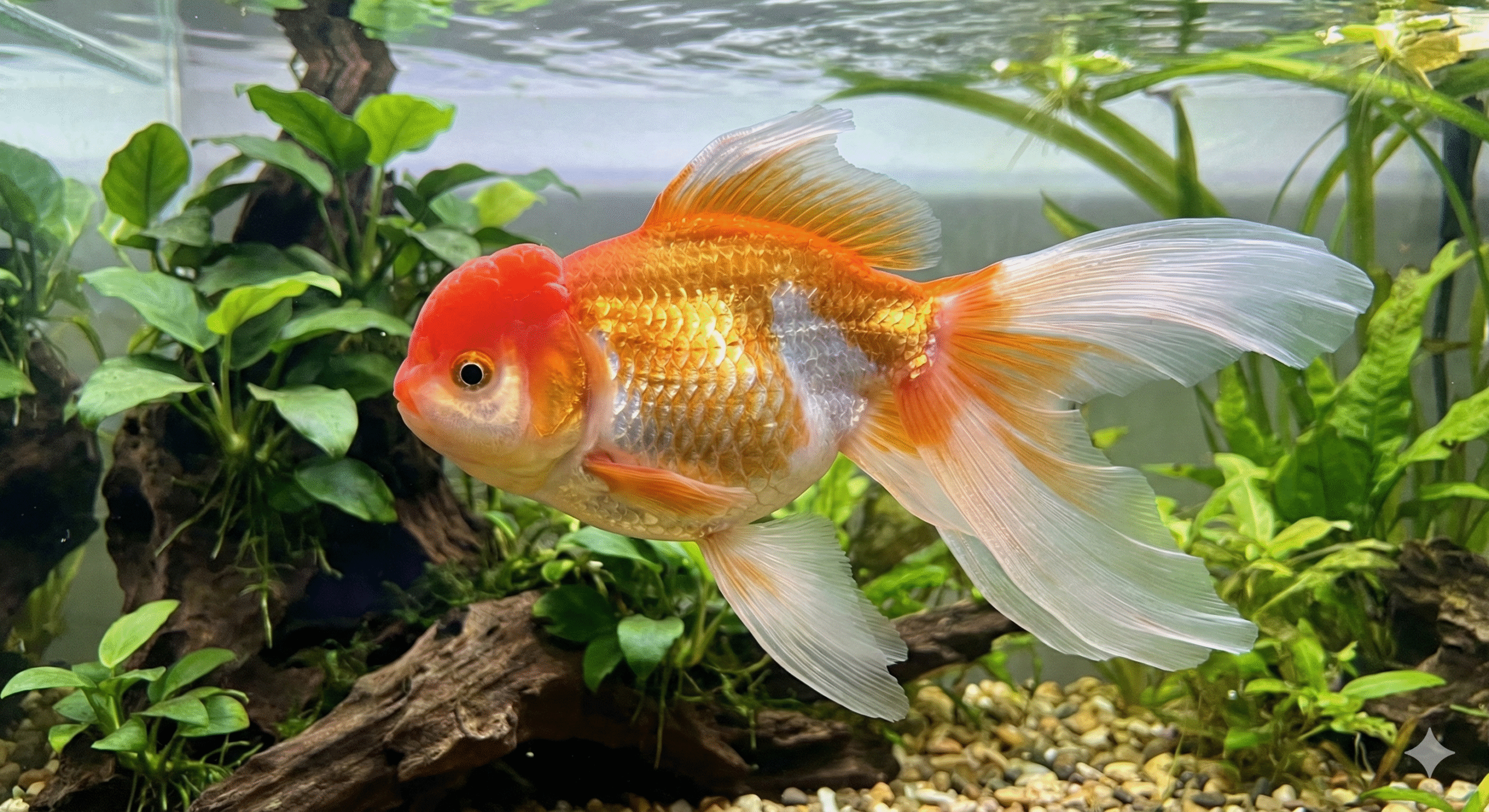
While the “Common” Goldfish is single-tailed and streamlined, “Fancy” Goldfish (like Fantails, Orandas, and Ranchus) are the most popular for home aquariums. Fancy Goldfish have egg-shaped bodies and beautiful double tails. They come in colors ranging from sparkling gold and deep red to calico (spotted), black, and white. Size Warning: They do not “grow to the size of their tank.” Stunting them in a small bowl is painful and fatal. Common goldfish can grow to 10–12 inches, while Fancy varieties reach 6–8 inches.
Personality and Behavior
Goldfish are surprisingly social and intelligent. They are known to recognize their owners and will vigorously “beg” for food at the front of the glass when you walk by. They are peaceful scavengers who spend their day foraging in the substrate. Unlike the solitary Betta, Goldfish are social and appreciate living with other Goldfish.
Enclosure and Habitat Needs
The Bowl Myth: Goldfish should never be kept in a bowl. Bowls lack filtration and oxygen surface area.
- Tank Size: For Fancy Goldfish, you need at least 20 gallons for the first fish and 10 gallons for each additional one. Common Goldfish need even more space (ponds are best for them).
- Filtration: They are messy eaters and produce a lot of waste. A powerful filter (rated for double the tank size) is essential to keep the water clean.
- Substrate: Sand or large smooth river stones are best, as they can choke on standard aquarium gravel if they try to swallow it while foraging.
Diet and Feeding
Goldfish are omnivores without a true stomach, so they need to eat small amounts frequently. Their diet should be low in protein and high in fiber to prevent swimming bladder issues (floating upside down). High-quality sinking pellets are better than flakes (which cause them to swallow air). They also love shelled peas and leafy greens as treats.
Health and Lifespan
This surprises most people: A healthy Goldfish can easily live 10–15 years or more! Common health issues often stem from poor water quality in small tanks, leading to ammonia poisoning or fungal infections. They are also prone to “Swim Bladder Disease,” often caused by constipation or gulping air.
Is the Goldfish Right for You?
If you have space for a proper aquarium and want a pet that is relaxing to watch, hardy, and interacts with you, the Goldfish is a timeless choice. Just say “no” to the bowl, and you will have a beautiful swimming companion for over a decade.