Canary
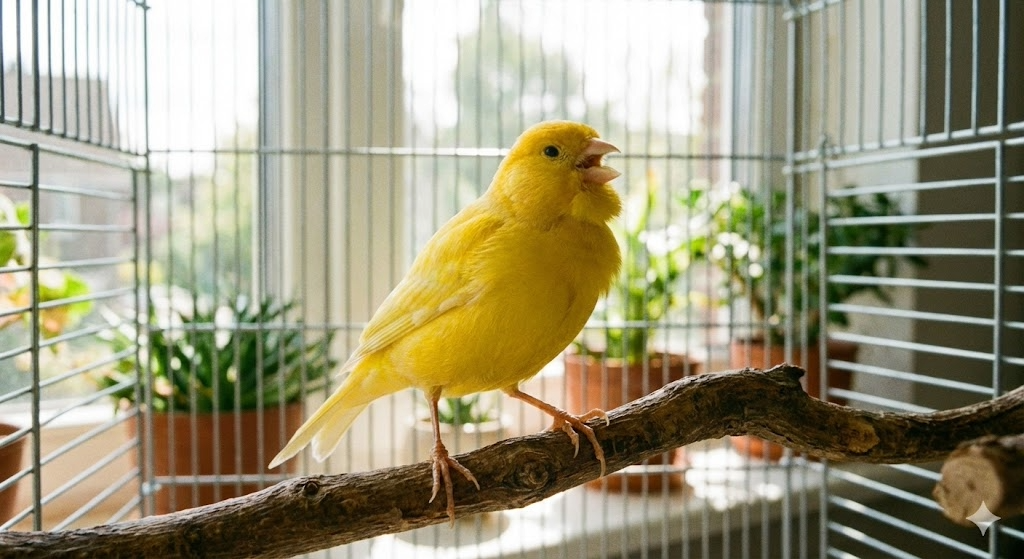
For centuries, the Canary has been one of the most cherished pet birds, prized not for its cuddliness or ability to talk, but for the magnificent, melodious song of the male bird. These small, beautiful finches are perfect companions for those who want to add life and music to their home without the high demands of larger parrots.
Origins and Natural History
The Canary (Serinus canaria) is native to the Canary Islands, Azores, and Madeira. These wild ancestors are actually greenish-brown and streaky, designed for camouflage. Spanish sailors brought them to Europe in the 17th century, where they became incredibly popular in royal courts. Over hundreds of years, selective breeding has produced the bright yellow, orange, white, and red birds we know today, bred specifically for their color, shape, or song.
Appearance
Canaries are small finches, typically measuring between 4.75 to 5.5 inches in length. While the classic “Canary yellow” is the most well-known, they come in a wide variety of colors due to breeding mutations. There are three main types of pet canaries:
- Color Canaries: Bred for their specific feather colors.
- Type Canaries: Bred for a specific shape or posture (like the hunched Scotch Fancy).
- Song Canaries: Bred specifically for their singing ability (like the famous American Singer).
Personality and Behavior
Unlike budgies or cockatiels, Canaries are not “hands-on” birds. They are generally timid and prefer not to be handled. Their value as a pet comes from watching them and listening to their beautiful songs. It is the male Canary that sings to attract a mate and mark territory. Females chirp but rarely sing full songs. A male’s song can be loud and complex, and they are most vocal when kept alone. They are active little birds that enjoy flitting around their cage.
Living Environment and Exercise Needs
Canaries need ample space to fly back and forth to stay healthy.
- Cage Size: A long cage is better than a tall one. A minimum of 18″ long x 14″ wide x 18″ high is recommended for a single bird, but a flight cage of 24-30 inches long is ideal.
- Perches: Provide multiple perches of different diameters (natural branches are best) placed at opposite ends of the cage to encourage flying between them.
- Baths: Canaries love to bathe daily. A shallow dish of water or a clip-on birdbath is essential for their feather health.
- Location: Place the cage in a bright, draft-free area of the living room or office where they can be part of the family action, but away from direct sunlight and kitchen fumes.
Diet and Feeding
A seed-only diet is not sufficient for a long, healthy life. A balanced diet should include:
- A high-quality Canary seed mix supplemented with pellets.
- Daily fresh vegetables (leafy greens like kale or spinach, broccoli, grated carrots) and small amounts of fruit like apple.
- A cuttlebone provides necessary calcium.
- Fresh water must be available at all times.
Health and Lifespan
Canaries are generally hardy birds with an average lifespan of 10–15 years if cared for properly. Common health problems include air-sac mites, scaly-leg mites, and “egg binding” in females. Signs of illness include being fluffed up on the bottom of the cage, labored breathing, or a cessation of singing in males.
Is the Canary Right for You?
If you want a beautiful, low-maintenance pet that will fill your home with song but does not require daily handling or out-of-cage socialization time, the Canary is an excellent choice. They are perfect for busy individuals or anyone who appreciates beauty and music from a distance.