Ragdoll Cat
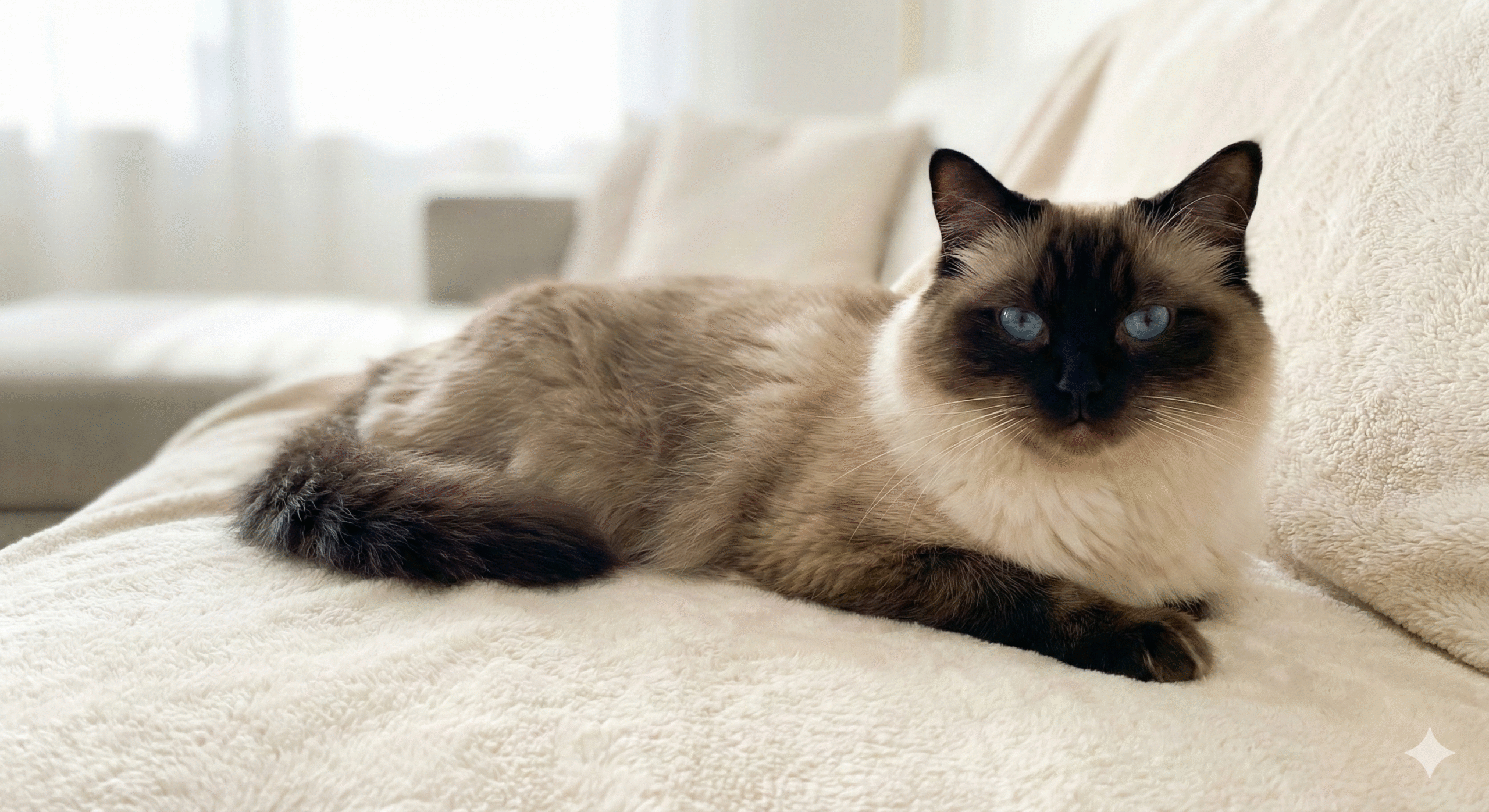
Famous for their stunning blue eyes, silky coats, and tendency to go limp like a ragdoll when picked up, the Ragdoll cat is one of the most affectionate and laid-back breeds in existence. If you want a cat that acts more like a puppy and loves to cuddle, this “gentle giant” is the perfect choice.
Origins and History
Unlike ancient breeds, the Ragdoll has a relatively modern history. They were developed in Riverside, California, in the 1960s by a breeder named Ann Baker. She bred a free-roaming white longhaired cat named Josephine with other stray cats to produce a line of kittens with a uniquely docile temperament and non-matting fur. Today, they are recognized by all major cat registries and are prized for their sweet nature.
Appearance
Ragdolls are large, muscular cats. Males can weigh between 15–20 pounds, while females are slightly smaller. Their most striking features are their large, oval vivid blue eyes and their semi-long, rabbit-soft fur. They are a “colorpoint” breed, meaning they have a light body color with darker “points” on their ears, face, tail, and paws. Common colors include seal (dark brown), blue (grey), chocolate, and lilac.
Personality and Behavior
Ragdolls are often called “puppy-cats” because of their dog-like devotion. They love to follow their owners from room to room, greet you at the door, and even play fetch. True to their name, many Ragdolls relax completely when held. They are generally quiet, using a soft, musical voice rather than loud meows. Their low energy level makes them strictly indoor cats, as they lack the street smarts and aggression to defend themselves outside.
Living Environment Needs
Because they are large and floor-dwelling (they often prefer the floor or sofa over high perches), they need space to stretch out.
- Indoor Living: They thrive in apartments or houses as long as they are kept safely inside.
- Scratching Posts: Sturdy, tall scratching posts are needed to let them stretch their long bodies.
- Grooming: Despite their long fur, they have little undercoat, which means less matting. However, they still require brushing twice a week to remove loose hair.
Diet and Feeding
Ragdolls are obligate carnivores and require a high-protein diet to support their large size and energy needs. A mix of high-quality wet food (for hydration) and dry kibble is usually recommended. They are prone to a “fat pad” on their lower belly, which is normal for the breed, but owners must be careful not to let them become overweight, as they can be lazy eaters.
Health and Lifespan
Ragdolls are generally healthy and can live 12–15 years or more. However, they can be predisposed to Hypertrophic Cardiomyopathy (HCM), a common heart condition in cats, and kidney issues. Reputable breeders test for these genetic conditions. Regular vet check-ups and dental cleanings are essential.
Is the Ragdoll Right for You?
If you are looking for a lap cat who will be your constant, quiet companion, the Ragdoll is ideal. They are fantastic with children and other pets due to their patience and lack of aggression. Just be prepared for lots of shedding and an endless supply of love.